

Equine cardiology addresses the diagnosis, monitoring, and management of cardiovascular conditions that affect performance, safety, and long-term health in horses. This category covers equine cardiology, cardiac disease in horses, equine heart murmur, atrial fibrillation in horses, equine echocardiography, heart failure in horses, exercise-induced arrhythmias, and cardiac assessment for prepurchase and sport horse evaluation. Use this hub to review clinical approaches to equine cardiac auscultation, electrocardiography, echocardiographic interpretation, and exercise testing. As additional articles are published, this page will continue to develop into a stronger reference for cardiovascular diagnostics, valvular disease, myocardial conditions, and sudden cardiac events in horses. The FAQs below provide a concise starting point for common equine cardiology questions, while the linked articles offer deeper clinical context and case-based learning. Please check back soon as this category grows into a broader pillar page for equine cardiovascular medicine. Premature depolarizations occur more often among horses during cross-country competition, and those in the upper divisions were at a higher risk, according… Atrial fibrillation is the most frequently diagnosed arrhythmia, followed by valvular regurgitation, myocardial disease, and pericarditis. Many murmurs detected at rest are physiologic and require echocardiographic evaluation to determine clinical significance. Echocardiography is indicated when a murmur is loud, radiates widely, is accompanied by exercise intolerance, or is detected during a prepurchase exam. It confirms the murmur source, quantifies chamber dimensions, and assesses hemodynamic impact. Diagnosis relies on electrocardiography showing an irregularly irregular rhythm with absent P waves. Management depends on the horse’s use and includes quinidine sulfate conversion, transvenous electrical cardioversion, or rate control in cases where conversion is not pursued. Arrhythmias detected during or immediately after exercise may indicate underlying structural or electrical disease and carry safety implications. Exercising ECG evaluation helps differentiate benign rhythm changes from those requiring restricted activity or treatment. Return-to-work decisions depend on the type and severity of disease, echocardiographic findings, and exercise test results. Many horses with mild valvular regurgitation perform safely, while those with significant myocardial dysfunction or high-risk arrhythmias may need activity modification. Reported causes include acute arrhythmias, aortic rupture, myocarditis, and ruptured chordae tendineae. Sudden death remains challenging to predict; post-mortem examination and a detailed clinical history guide retrospective assessment.Cardiology
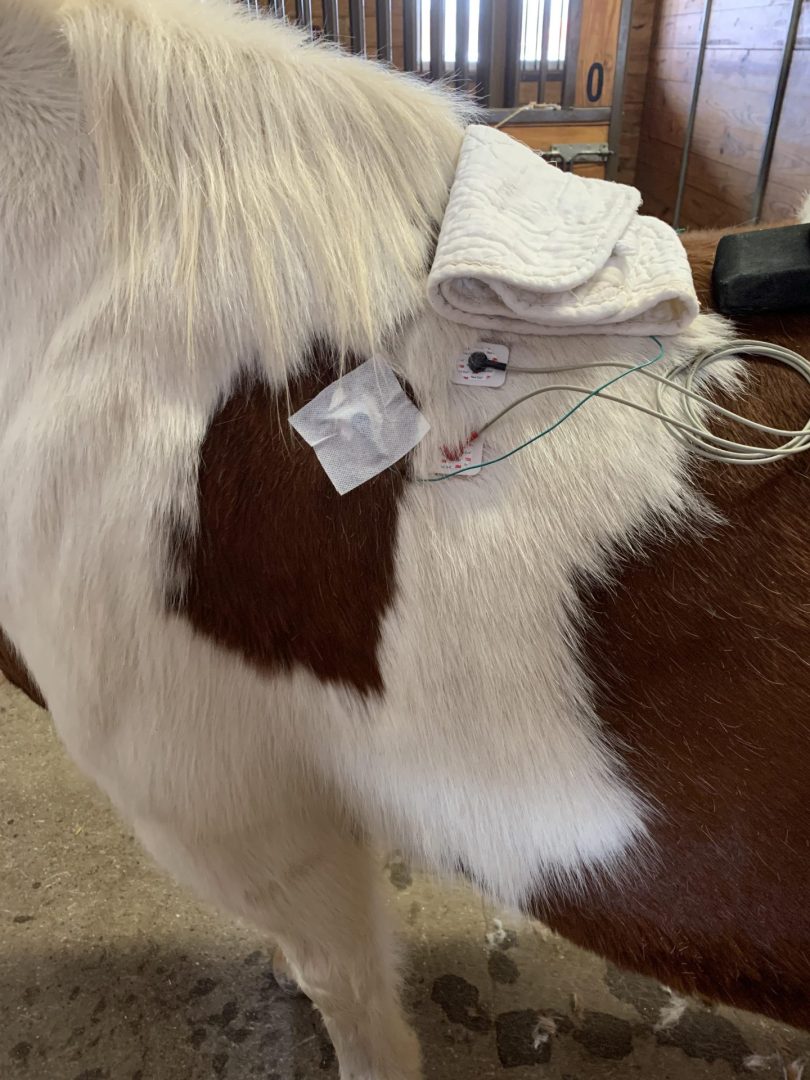


How Common Is Sudden Cardiac Death?
Frequently Asked Equine Cardiology Questions
What are the most common cardiac conditions in horses?
When should a horse with a heart murmur undergo echocardiography?
How is atrial fibrillation diagnosed and managed in horses?
What is the significance of exercise-induced arrhythmias?
Can horses with cardiac disease continue to perform?
What causes sudden cardiac death in horses?
Category
4 Articles
August 2023